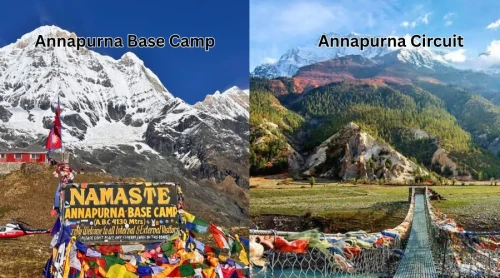
Annapurna Circuit vs Annapurna Base Camp Trek: Which Trek Is Right for You?
By Trip Pokhara 2025-12-16

If you are a trekking enthusiast, you have definitely heard about the Annapurna Circuit and Annapurna Base Camp trekking routes in Nepal.
Trekking in the Annapurna region of Nepal offers these two iconic routes: the Annapurna Base Camp Trek and the Annapurna Circuit Trek. Both treks promise breathtaking views and unforgettable experiences.
But how do you choose between the Annapurna Circuit vs Annapurna Base Camp?
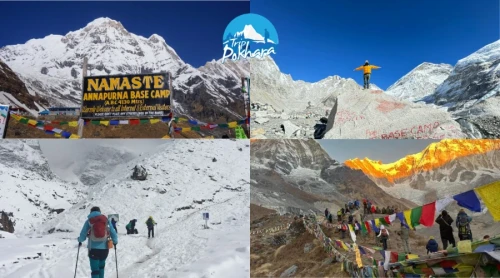
The Annapurna Base Camp (ABC) Trek is shorter, typically taking 10-12days. It leads you directly into the heart of the Annapurna Sanctuary. This trek is ideal for those with limited time or seeking a less strenuous adventure.
In contrast, the Annapurna Circuit Trek is longer, usually spanning 16-20 days. It offers a diverse range of landscapes, from lush subtropical forests to arid high-altitude deserts. This trek is more challenging due to its length and higher altitudes.
Both treks provide stunning views of the Annapurna mountain range. However, the Annapurna Circuit Trek reaches a higher altitude, with the Thorong La Pass at 5,416 meters. The Annapurna Base Camp Trek peaks at around 4,130 meters.
Cultural experiences abound on both routes. The Annapurna Circuit Trek includes visits to traditional villages and monasteries. Meanwhile, the Annapurna Base Camp Trek offers a closer view of the Annapurna massif.
Choosing between these treks depends on your preferences and abilities. Whether you seek a shorter, less challenging trek or a longer, more diverse adventure, both options promise a memorable journey. This guide will help you decide which trek suits you best.
Overview of Annapurna Circuit vs Annapurna Base Camp Trekking Routes
The Annapurna region in Nepal boasts a network of trekking paths that enchant adventurers worldwide. Two of the most renowned routes are the Annapurna Base Camp Trek and the Annapurna Circuit Trek.
The Annapurna Base Camp Trek, often called the ABC Trek, is a direct journey into the Annapurna Sanctuary. It showcases the grandeur of the Annapurna massif from its sanctuary.
On the other hand, the Annapurna Circuit Trek offers a loop around the Annapurna range. This trek is famous for its dramatic changes in scenery and climate as trekkers progress through various zones.
The following are key features that define these treks:
- Annapurna Base Camp Trek
- Shorter duration, typically 10-12days
- Maximum altitude of 4,130 meters
- Direct route to the Annapurna Sanctuary
- Annapurna Circuit Trek
- Longer duration, generally 16-20 days
- Higher maximum altitude with Thorong La Pass at 5,416 meters
- A wide variety of landscapes
Both treks begin and end in vibrant towns. The Annapurna Base Camp trek often starts from Pokhara, while the Circuit trek kicks off from Besisahar.
Despite their differences, both routes provide picturesque views and cultural encounters. Each trek requires permits such as the TIMS card and the Annapurna Conservation Area Permit (ACAP).
Deciding which route to embark upon involves considering factors like time, physical fitness, and adventure goals. Whether you aim for a quicker journey or a challenging expedition, these routes deliver unique, life-affirming experiences.
Annapurna Base Camp Trek: Route, Highlights, and Experience
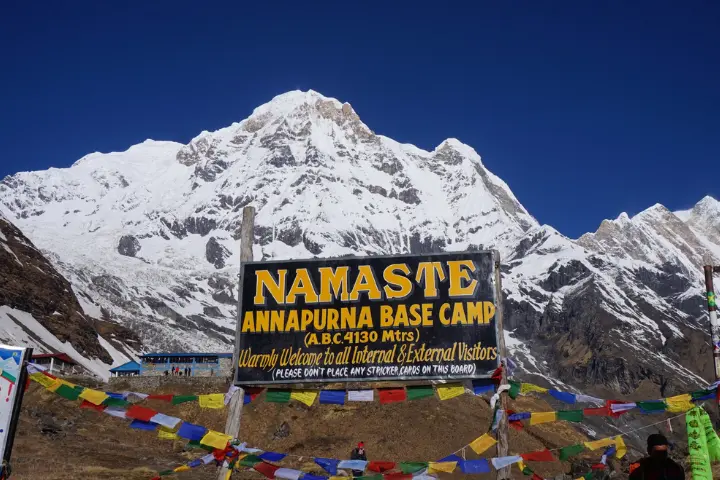
The Annapurna Base Camp Trek, a favorite among trekkers, offers a journey into the heart of the majestic Himalayas. It merges breathtaking mountain vistas, cultural richness, and a touch of thrill, making it a must-do trek.
The trek begins in the lively city of Pokhara, a popular tourist hub with easy accessibility. From here, trekkers make their way to Nayapul or Ghandruk, acting as typical starting points.
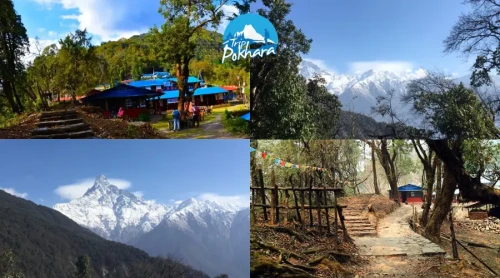
Initially, the trail meanders through lush subtropical forests. These paths are lined with rhododendron blooms, particularly vivid during spring. As you ascend, the landscape transforms, offering ever more dramatic mountain views.
Reaching the Annapurna Sanctuary is a key highlight of this trek. Known for its natural amphitheater-like valley encircled by towering peaks, the sanctuary gives the trek its magic.
A significant draw is witnessing the sunrise over the Annapurna range. Poon Hill, often included in this trek, provides a perfect vantage. The golden hues of dawn light up snowy peaks, creating an unforgettable sight.
Trekkers encounter diverse villages en route. The trail passes through settlements like Chhomrong and Bamboo, allowing cultural exchanges with the local Gurung people. Their hospitality and traditional lifestyles enrich the trekking experience.
The distinct flora and fauna of the Annapurna Base Camp area intrigue nature lovers and botanists alike. Exotic birds and plant species are plentiful, attracting enthusiasts from around the world.
Accommodation along the trek is in well-established tea houses and lodges. These offer basic amenities and warm, hearty meals. The hospitality in these lodges adds comfort after long trekking days.
The trek's altitude gradually increases, with a peak at 4,130 meters at Annapurna Base Camp. The relatively lower altitude compared to the Annapurna Circuit makes it more accessible to many trekkers.
While the trek is less challenging in terms of physical exertion, altitude sickness remains a concern. Thus, proper acclimatization and hydration are essential. Frequent rest days are advisable to ensure safety.
A typical itinerary for the ABC Trek might include:
- Day 1: Pokhara to Nayapul, trek to Ghandruk
- Day 2-4: Ghandruk to Chhomrong, ascending through villages
- Day 5-7: Trek through Bamboo, Dovan, and reach Annapurna Base Camp
For those with time constraints, the trek can be shortened. However, lingering longer allows a fuller, more immersive experience.
In summary, the Annapurna Base Camp Trek is perfect for those seeking a relatively shorter yet rewarding Himalayan journey. The trek delivers alpine beauty, a rich cultural backdrop, and peace amidst towering peaks.
Annapurna Circuit Trek: Route, Highlights, and Experience

The Annapurna Circuit Trek is renowned as one of the world's classic long-distance treks. It promises a rich tapestry of diverse landscapes and cultural encounters. Stretching for over 200 kilometers, it presents trekkers with a comprehensive Himalayan adventure.
Starting from Besisahar, the trek gradually ascends through lush subtropical valleys. These initial stages offer views of terraced farms and charming villages where trekkers can glimpse the local lifestyle.
As the elevation increases, the landscape undergoes a dramatic transformation. Trekkers witness a shift from green forests to sparse, arid landscapes reminiscent of the Tibetan plateau.
Thorong La Pass, the trek's highest point at 5,416 meters, presents a significant challenge. However, conquering this renowned pass is rewarded with breathtaking panoramic views of the Annapurna and Dhaulagiri ranges.
The circuit also immerses trekkers in a vibrant cultural tapestry. Passing through villages like Manang, trek participants experience the unique Tibetan-influenced culture.
Muktinath Temple, a sacred pilgrimage site, is a highlight of the trek. Both Hindus and Buddhists revere this spiritually significant place nestled amidst desolate mountains.
Descending into the Kali Gandaki Gorge, the world's deepest gorge, offers a surreal experience. The majestic Annapurna and Dhaulagiri peaks tower above, framing this geological wonder.
Among the landscape diversity, the trek includes tropical jungles, alpine forests, and high desert terrain. This contrast keeps the journey continually engaging and stimulating for all senses.
Accommodation ranges from basic tea houses to more comfortable lodges. While facilities are generally simple, the warmth of the service and local hospitality compensate for any lack of luxury.
The trek's varied climates mean preparation is key. Trekkers experience everything from humid conditions in lower regions to freezing temperatures at higher altitudes.
Acclimatization is vital on the Annapurna Circuit to prevent altitude sickness. Carefully paced itineraries with scheduled rest days are essential for a successful trek.
A sample Annapurna Circuit Trek itinerary might look like this:
- Day 1-3: Besisahar to Chamje and Dharapani, traversing scenic valleys
- Day 4-6: Ascend through Chame and Pisang, admire stunning vistas
- Day 7-10: Trek to Manang, acclimatize, then proceed to Thorong Phedi
- Day 11-14: Cross Thorong La Pass, visit Muktinath, descend to Tatopani
Experienced trekkers can enhance their journey by adding side trips, such as Tilicho Lake, one of the world's highest lakes. This addition offers further exploration of the region's natural beauty.
Overall, the Annapurna Circuit Trek provides a more extensive and challenging adventure compared to shorter treks. It calls to those with an appetite for both cultural exploration and diverse landscapes.
In conclusion, the Annapurna Circuit isn't just about conquering high passes. It's about immersing in a journey through majestic terrains and experiencing rich cultural exchanges along the way.
Trek Duration and Itinerary Options
When planning a trek in the Annapurna region, duration is a crucial factor. The length of the trek often influences the itinerary and overall experience.
The duration for the Annapurna Base Camp Trek itinerary typically spans 10 to 12 days. This trek is perfect for those who want a shorter, more concentrated adventure. Its itinerary often includes highlights like the vibrant rhododendron forests and the famous viewpoint at Poon Hill for breathtaking sunrises.
Below is an example of a common itinerary for the ABC Trek:
- Day 1: Drive from Pokhara to Nayapul; trek to Tikhedhunga
- Day 2: Trek from Tikhedhunga to Ghorepani
- Day 3: Visit Poon Hill for sunrise; then trek to Tadapani
- Day 4: Trek from Tadapani to Chhomrong
- Day 5: Trek from Chhomrong to Himalaya Hotel
- Day 6: Trek to Annapurna Base Camp
- Day 7-9: Return to Nayapul and drive to Pokhara
On the other hand, the Annapurna Circuit Trek ranges from 16 to 20 days. Its length allows hikers to explore a wide array of landscapes, including lush valleys and arid plateaus. This trek features the thrill of crossing the Thorong La Pass, one of the highest trekking passes globally.
A typical Annapurna Circuit itinerary includes:
- Day 1: Drive from Kathmandu to Besisahar; trek to Bhulbhule
- Day 2: Trek from Bhulbhule to Jagat
- Day 3: Trek to Dharapani
- Day 4-5: Continue to Chame and then to Pisang
- Day 6: Trek from Pisang to Manang
- Day 7: Acclimatization day in Manang
- Day 8-10: Trek from Manang to Yak Kharka, Thorong Phedi, then over the Thorong La Pass to Muktinath
- Day 11-13: Trek from Muktinath to Jomsom; fly or drive to Pokhara
Both itineraries offer flexibility, allowing trekkers to adjust based on pace and personal preferences. Adjusting days for acclimatization is crucial, especially for the challenging terrains of the Circuit. Therefore, proper planning ensures a safe and memorable trekking adventure.
Altitude, Acclimatization, and Safety
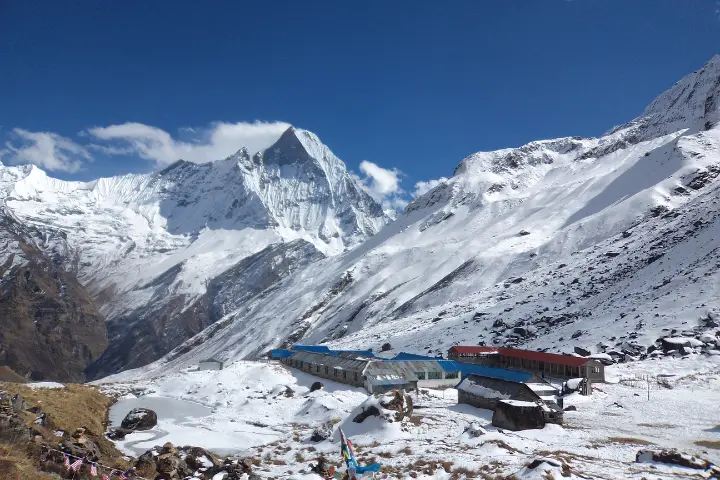
Trekking in the Annapurna region involves high altitudes. Altitude can affect individuals differently, making acclimatization a key consideration for both treks.
The maximum altitude of the Annapurna Base Camp Trek reaches approximately 4,130 meters. While this is significant, it is generally manageable for most trekkers with basic acclimatization.
Conversely, the Annapurna Circuit Trek ascends higher, reaching 5,416 meters at Thorong La Pass. This height poses more risks of altitude sickness, thus requiring a well-planned acclimatization schedule.
Acclimatization Tips
- Take it slow: Ascending slowly allows your body to adjust to the change.
- Stay hydrated: Drink plenty of water to counter the effects of altitude.
- Listen to your body: Rest if feeling unwell; don't push beyond limits.
Many trekkers choose the "climb high, sleep low" strategy. This involves trekking to higher altitudes during the day, then descending to sleep at lower elevations. This method helps the body become accustomed to thinner air.
Safety is paramount when trekking in these remote areas. Both treks are well-established with numerous facilities, but preparedness is vital.
Safety Essentials
- Carry a comprehensive first-aid kit.
- Ensure adequate gear: warm clothing, trekking poles, and sturdy boots.
- Inform someone about your trekking plan and schedule.
Having travel insurance that covers high-altitude trekking is also advisable. This should include helicopter rescue in case of emergencies, providing peace of mind on the trails.
Guides and porters familiar with local terrain enhance safety, especially on the more rigorous Annapurna Circuit Trek. They assist with navigation and monitor trekkers for signs of altitude sickness.
Remember, safety and health should always take precedence over completing an itinerary. Taking precautions ensures a fulfilling experience on the paths of the Annapurna.
Trek Difficulty: Physical and Mental Challenges
Choosing between the Annapurna Base Camp and Annapurna Circuit treks often hinges on perceived difficulty. Both routes require physical fitness and mental resilience, albeit differently.
The Annapurna Base Camp Trek is often seen as less daunting. It's shorter, ranging from 10 to 12 days, which suits those with time constraints. The trek involves fewer days at high altitudes, easing the physical demand.
In contrast, the Annapurna Circuit Trek is longer and demands more endurance. Lasting 16 to 20 days, it entails lengthy walks and challenging ascents to higher altitudes, including the formidable Thorong La Pass.
Physical Challenges
- Daily walking duration: Expect 6-8 hours of trekking.
- Altitude: Both treks require handling reduced oxygen levels.
- Terrain: Rocky paths and steep inclines increase difficulty.
Besides physical hurdles, mental challenges play a significant role. Trekking requires sustained mental strength and determination, particularly on longer routes.
The Annapurna Circuit Trek can test mental limits due to its extended itinerary. Overcoming diverse climates and landscapes requires perseverance and adaptability to varying conditions.
Meeting and interacting with fellow trekkers can provide mental support. These connections offer a sense of camaraderie and shared purpose.
Both treks offer abundant rewards for overcoming challenges, with breathtaking views and a sense of achievement. Prior physical conditioning and mental preparation are invaluable.
Adjusting expectations and embracing the experience can transform challenges into highlights. Trekking in the Annapurna region is as much about the inner journey as the physical one.
Whether seeking a moderate trek to Annapurna Base Camp or tackling the extensive Annapurna Circuit, understanding the challenges ensures an enriching adventure.
Scenery and Landscape Diversity

When comparing the Annapurna Base Camp and Annapurna Circuit treks, the variety in scenery is significant. Each trek presents distinct natural features and vistas.
The Annapurna Base Camp Trek immerses trekkers in lush forests and terraced fields. The path weaves through rhododendron groves and vibrant meadows, offering bursts of color during spring.
In contrast, the Annapurna Circuit Trek showcases a wider range of environments. Trekkers begin in subtropical zones with green fields and dense woods. As the trek progresses, the landscape transitions to arid, high-altitude deserts.
Both treks provide awe-inspiring mountain views. However, the Base Camp route offers a close encounter with towering peaks of the Annapurna massif. Trekkers appreciate panoramic views from strategic vantage points.
The Annapurna Circuit Trek amazes with its broad vistas, featuring peaks like Dhaulagiri and Manaslu. This trek also introduces trekkers to the Kali Gandaki Gorge, the world’s deepest gorge.
Key Scenic Features:
-
Base Camp Trek:
- Dense forests
- Fertile fields
- Close-up mountain views
-
Circuit Trek:
- Diverse climates
- High-altitude terrains
- Expansive panoramas
The shift in climate across the Annapurna Circuit Trek adds to its diversity, ranging from tropical warmth to alpine chill. These variations captivate trekkers with continually changing scenes.
Both hikes are made more exciting by the beauty of the Annapurna range. Photographers and environmental enthusiasts have a plethora of options to capture beautiful images.
Whether you prefer lush greenery or stark, dramatic altitudes, each trek offers memorable landscapes. Deciding between these treks often boils down to which scenic experiences resonate more.
Cultural Encounters and Local Communities
Trekking in the Annapurna region offers a unique cultural experience. Both the Base Camp and Circuit treks introduce trekkers to Nepal’s rich traditions.
The ABC Trek brings you closer to the Gurung and Magar communities. Small villages along the path invite trekkers to experience local hospitality and learn about their lifestyle.
Homestays and tea houses in these routes provide more than just meals and shelter. They offer a peek into the daily lives and customs of these friendly mountain people.
In contrast, the Annapurna Circuit Trek covers a broader cultural spectrum. As the trail winds through various regions, the influence of Tibetan culture becomes evident. Villages like Manang and Mustang feature age-old monasteries and Buddhist prayer flags.
One can visit the sacred Muktinath Temple on this trek. This pilgrimage site holds spiritual significance for both Hindus and Buddhists. Encounters like these enrich the trekking experience by deepening one’s understanding of the local culture.
Cultural Highlights:
-
Base Camp Trek:
- Gurung and Magar villages
- Tea house hospitality
- Community interactions
-
Circuit Trek:
- Tibetan cultural influences
- Traditional monasteries
- Sacred sites like Muktinath
Trekkers on both routes often join in local festivals, enhancing cultural immersion. Festivals like Dashain and Tihar bring vibrant celebrations to the villages.
Ultimately, both treks offer genuine insights into the lives of the local communities. These cultural interactions create lasting memories, making every trek more meaningful. Whether you choose the Base Camp or Circuit Trek, the warm and vibrant cultures of the Annapurna region will surely leave a lasting impression.
Accommodation, Food, and Facilities
When trekking in the Annapurna region, accommodation and food are critical considerations. Both the Annapurna Base Camp and Circuit Treks offer distinct yet comforting experiences in these aspects.
Most accommodations on both treks are traditional tea houses. These tea houses provide basic but adequate lodgings with cozy beds. The atmosphere is homey, and the hosts are often locals.
On the Annapurna Base Camp Trek, tea houses are more frequent. This route is shorter, so options are often available within walking distance each night. Rooms are typically basic, with communal dining areas where trekkers gather for meals.
Food on the Base Camp Trek includes local Nepalese dishes, as well as some western options. Traditional meals like Dal Bhat give trekkers the energy needed for the journey.
In contrast, the Annapurna Circuit Trek spans a wider variety of landscapes and communities. Accommodation can vary from basic tea houses to more developed lodges in larger villages.
The Circuit Trek also offers a diverse menu. As trekkers move through regions, the variety of culinary options increases. Tibetan bread, momos, and Thakali cuisine are popular dishes to try along the way.
Key Facilities on Both Treks:
- Basic tea houses with twin-sharing rooms
- Communal dining areas
- Varied food options with local and western dishes
Both treks provide essential facilities for trekkers, including safe drinking water and hot showers. It's important to note that amenities can become less basic as altitude increases. Overall, the accommodation and food add to the rich experience of trekking in Nepal’s Annapurna region.
Best Time to Trek: Weather and Seasons

Choosing the best time to trek in the Annapurna region hinges significantly on weather and seasons. This influences both the Annapurna Base Camp and Circuit Trek experiences.
The most favorable trekking seasons are pre-monsoon (March to May) and post-monsoon (September to November). During these months, the weather is normally stable, and the skies are clear, offering the best views. This is ideal for magnificent mountain views.
In the spring months (March to May), the trails burst with rhododendron blooms. This season provides a colorful backdrop, especially on the Base Camp Trek. Temperatures remain mild and pleasant in most areas, even at higher altitudes.
The autumn months (September to November) present another optimal window. Post-monsoon, the air is crisp, and visibility is excellent. These months are particularly popular among trekkers for their reliable weather conditions.
Winter (December to February) poses challenges with colder temperatures, especially at higher altitudes. Trekking is possible, but snow may cover certain trails. Many trekkers avoid this season due to the harsh weather.
Key Seasons for Trekking:
- Pre-monsoon: March to May
- Post-monsoon: September to November
- Winter: Trek with caution
Monsoon season (June to August) brings heavy rains, landslides, and leeches, which can make trekking less appealing. However, some trekkers enjoy the lush greenery it brings. Opting for treks at the most suitable time enhances the experience and safety of traversing the majestic Annapurna landscape.
Permits, Costs, and Budgeting for Annapurna Trekking
Trekking in the Annapurna region requires specific permits. These are essential for both the Annapurna Base Camp and Circuit treks. Compliance ensures a smooth journey through these protected areas.
Two key permits are necessary: the TIMS card and the Annapurna Conservation Area Permit (ACAP). The TIMS card helps maintain safety records, while the ACAP supports conservation efforts. Both are mandatory for trekkers.
Permit costs vary slightly for different groups. Independent trekkers might pay a bit more compared to those with registered guides. Always verify current fees before setting out, as they might change.
Overall trekking costs depend on your chosen itinerary and preferences. Budgeting for accommodation, food, and transportation is crucial. Tea houses along the routes are budget-friendly, with varying services.
Permit and Expense Breakdown:
- TIMS card: Required for trek registration
- ACAP: Supports conservation efforts
- Accommodation: Range of tea houses available
- Meals: Generally affordable local fare
Additional expenses include personal gear, guides, and porters if needed. Hiring a guide provides a richer cultural experience and adds an extra layer of safety. With mindful planning, a trek in the Annapurna region can be both memorable and cost-effective.
Accessibility and Getting There
Getting to the starting points of the Annapurna trekking routes is relatively straightforward. Most treks in the Annapurna region begin in Pokhara or Besisahar. These towns serve as gateways to adventure.
Pokhara is a popular tourist hub with various amenities. It is accessible by air and road from Kathmandu, Nepal's capital. Flights to Pokhara are quick, taking just around 30 minutes.
Buses and private vehicles connect Kathmandu to Pokhara and Besisahar. The bus journey is longer, usually taking 6-8 hours, but offers scenic vistas along the way. Besisahar is the entry for the Annapurna Circuit Trek.
Key Annapurna Trekking Accessibility Points:
- Pokhara: Gateway to Annapurna Base Camp
- Besisahar: Starting point for Annapurna Circuit
- Transport: Flights, buses, and private vehicles available
Planning transport early can save time and hassle. While roads are busy, they're generally safe. On arrival, most trekkers take a short jeep or bus ride to the trek's official starting trail. With transportation sorted, the majestic Annapurna landscape awaits.
Trekking Independently vs With a Guide
Choosing between Annapurna trekking independently or with a guide depends on personal preferences and experience. Both options have pros and cons that merit consideration.
Trekking independently offers freedom and flexibility in your itinerary. You can explore at your own pace without sticking to a rigid schedule. However, it requires thorough planning and navigation skills.
Opting for a guided trek provides structure and support. Guides offer local knowledge and enhance your cultural experience. They can also handle logistics, easing potential travel concerns.
Consider the Following:
- Independence: Flexibility and self-navigation
- With a Guide: Expert support and cultural insights
- Experience Level: Novices often benefit from guidance
For first-time trekkers, a guide can make the journey smoother and safer. Experienced trekkers often enjoy the challenge of self-guidance. Both methods offer unique perspectives on the majestic Annapurna region.
Crowds, Popularity, and Trekking Experience
The Annapurna region, rich in majestic landscapes, attracts numerous trekkers each year. The popularity of both the Annapurna Base Camp and Circuit Treks contributes to vibrant, bustling trail atmospheres.
During peak seasons, expect significant numbers of fellow adventurers on these trails. The increased footfall can enhance social opportunities and shared experiences. Yet, it may also lead to crowded accommodations and busy tea houses.
Key Considerations:
- Peak Seasons: Expect larger crowds
- Quiet Seasons: Fewer trekkers and more solitude
- Social Environment: Opportunities to meet diverse travelers
The Annapurna Circuit Trek, being longer, disperses crowds more evenly compared to the Base Camp. Trekking during off-peak times may provide a more serene experience.
Choosing when to trek depends heavily on personal preference. Whether you seek camaraderie or solitude, both treks offer exceptional natural beauty and cultural experiences.
Wildlife, Flora, and Natural Attractions
The Annapurna region is rich with diverse wildlife and vibrant flora. Both treks offer a splendid showcase of nature's beauty. Trekkers can expect varying ecosystems across the trails, each with unique attractions.
In the Annapurna Base Camp Trek, you traverse the lush forests of the Annapurna Sanctuary. This area is home to rhododendron blooms and various bird species. The dense vegetation is alive with sound and color, especially in spring.
Conversely, the Annapurna Circuit presents a broader range of landscapes. From subtropical woodlands to arid high-altitude deserts, the biodiversity is stunning. Throughout the journey, you may encounter blue sheep, langur monkeys, and snow leopards if you're fortunate.
Notable Attractions:
- Rhododendron Forests: Explosion of colors
- Annapurna Conservation Area: Biodiversity hotspot
- Rare Wildlife Sightings: Blue sheep, snow leopards
Both treks provide ample opportunities to appreciate the region's ecological diversity. Trekkers interested in botany or bird-watching will find particular delight on these paths. Each trail has its own charm, promising experiences that resonate with nature enthusiasts.
Special Extensions: Poon Hill, Tilicho Lake, and More
Annapurna trekking offers special extensions that elevate the journey. Both treks present enticing side trips, adding depth to your adventure. These extensions are perfect for those with extra days to explore.
The Annapurna Base Camp Trek is often linked with the Poon Hill trek. Poon Hill is famed for its sunrise vistas over the Himalayas. This short detour gives trekkers breathtaking panoramic views.
On the Annapurna Circuit, Tilicho Lake is a popular extension. It's one of the world's highest lakes, set amidst dramatic landscapes. The detour adds challenge and beauty to the circuit journey.
Popular Extensions:
- Poon Hill: Sunrise views
- Tilicho Lake: High-altitude beauty
- Kali Gandaki Gorge: World's deepest gorge
Beyond these, the Kali Gandaki Gorge offers thrilling exploration on the circuit. This gorge is recognized as the deepest globally, boasting awe-inspiring geology. Such extensions provide memorable highlights and broaden your trekking experience. By exploring these side trips, trekkers gain insight into the rich diversity of the Annapurna region.
Who Should Choose Which Trek: Annapurna Circuit vs Annapurna Base Camp?

Choosing between the Annapurna Base Camp Trek and the Annapurna Circuit Trek depends on several factors. Both treks provide unique experiences and challenges, catering to different preferences and skill levels.
The Annapurna Base Camp Trek is perfect for first-time trekkers. It suits those with limited time and less mountain experience. Its shorter duration and straightforward route make it accessible for many.
For seasoned trekkers, the Annapurna Circuit Trek is more fitting. This trek is for those craving a longer, more demanding experience. It appeals to adventure seekers with its diverse landscapes and cultural richness.
Consider your fitness level and time availability. The base camp trek fits those wanting a less intense venture. Meanwhile, the circuit trek requires better preparation and endurance.
Trek Suggestions by Type:
- Beginners: Annapurna Base Camp
- Experienced Adventurers: Annapurna Circuit
- Limited Time Travelers: Base Camp Trek
- Cultural Enthusiasts: Circuit Trek
Cultural enthusiasts will appreciate the circuit trek, which passes through various ethnic villages. In contrast, the base camp trek is great for nature lovers wanting direct access to the majestic Annapurna Sanctuary.
Ultimately, your choice should match your trekking goals. Consider what you hope to gain from this Himalayan journey. Whether it's the simplicity of the base camp or the complexity of the circuit, each trek offers an unforgettable experience.
Final Thoughts: Annapurna Circuit vs Annapurna Base Camp
Choosing between the Annapurna Circuit vs Annapurna Base Camp Trek depends largely on personal preferences and available time. Both treks offer unique experiences, yet cater to different types of adventurers.
The Annapurna Base Camp Trek is ideal for those who are short on time but still wish to experience Nepal’s stunning mountain vistas. Its shorter duration and moderate difficulty make it perfect for newcomers to high-altitude trekking.
On the other hand, the Annapurna Circuit Trek is best suited for experienced trekkers seeking a longer and more challenging adventure. Its diverse landscapes and cultural experiences are unparalleled, offering a comprehensive insight into the region.
To help decide, consider the following:
- Trek Length: Base Camp is shorter; Circuit is longer.
- Difficulty: Base Camp is moderate; Circuit requires more endurance.
- Altitude: Circuit reaches higher altitudes.
Ultimately, both treks promise breathtaking scenery and unforgettable memories. Consider your fitness, time, and what you wish to experience most. Whatever your choice, the Annapurna region won’t disappoint.
Frequently Asked Questions: Annapurna Circuit vs Annapurna Base Camp Trek
1. What is the best time to trek?
The best times for both Circuit vs Base Camp treks are pre-monsoon (March to May) and post-monsoon (September to November). During these months, the weather in Nepal is stable, and the views are likely to be clearer, offering a clear vista. However, be prepared for varying conditions as you ascend.
2. How long do the treks take?
Trekking to Annapurna Base Camp usually takes between 10 to 12 days. In contrast, the Annapurna Circuit Trek can span 16-20 days. The duration depends on your pace and itinerary.
3. Do I need a guide for these treks?
While the Base Camp Trek can be done independently, hiring a guide can enhance your experience. A guide is often recommended for the Circuit Trek due to its length and complexity.
4. What permits are required for the Annapurna Circuit and ABC treks?
To trek both routes, you need a TIMS card and an Annapurna Conservation Area Permit (ACAP). Ensure these are in order before starting your trek.
5. What should I pack for the trek?
It's crucial to have essential gear ready. Here's a quick list:
- Warm clothing
- Waterproof jacket
- Good trekking boots
- First-aid kit
6. Are there any additional highlights?
You can extend the Annapurna Circuit to Tilicho Lake. The Base Camp Trek can include a Poon Hill visit. Each offers unique views and experiences.
Considering these common questions helps in planning your trek efficiently. Whether you choose the Base Camp or Circuit, being informed ensures a smoother adventure.
Recent From Blog

2022-04-19

2022-04-20
.jpg)
2022-04-20

2022-04-20

2023-02-03
2023-02-06

2023-02-15

2023-03-07


2023-10-16


2025-07-21


2025-08-14


2025-08-24


2025-08-25


2025-08-27


2025-09-24
.webp)








2025-12-09